
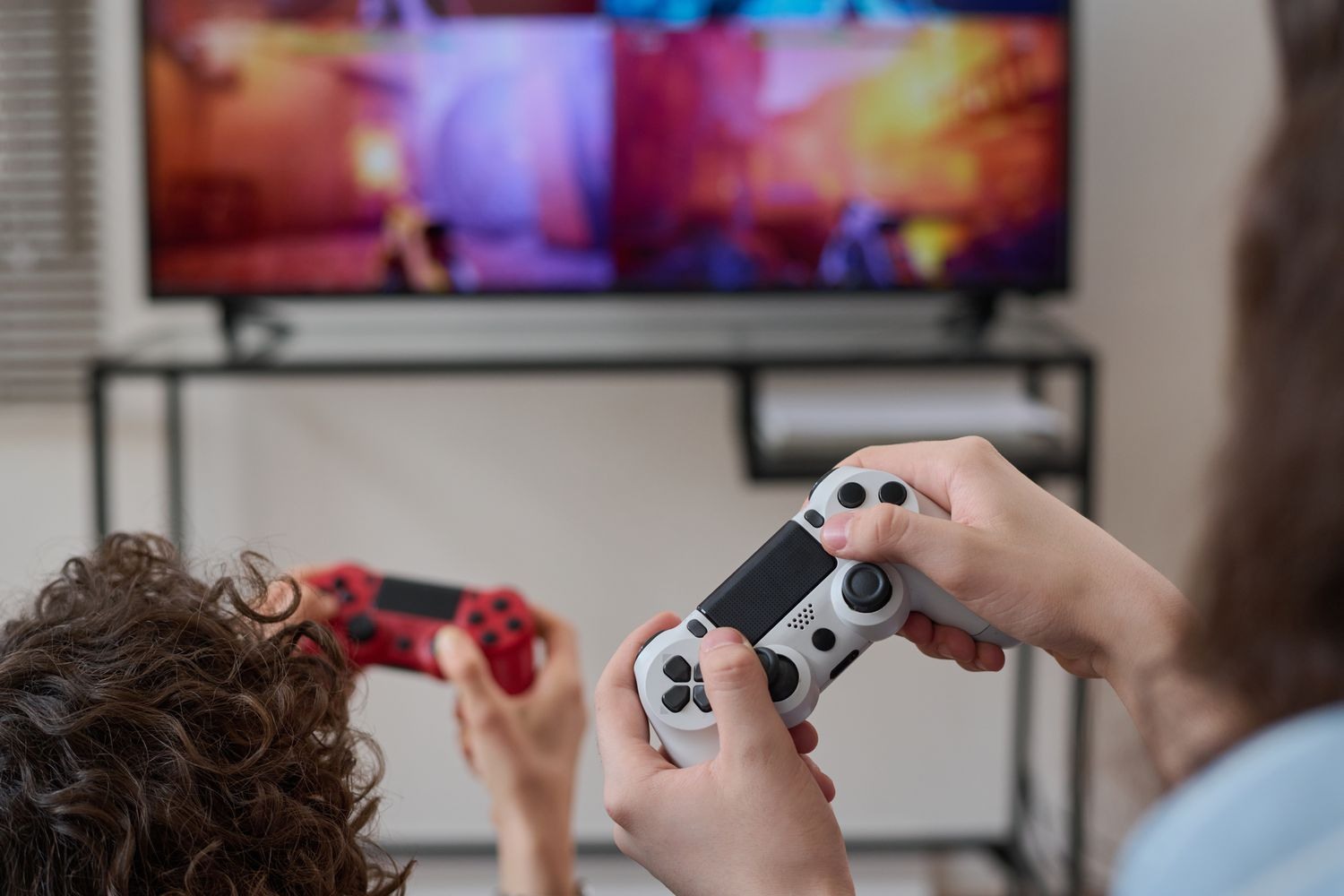

Portable gaming has changed dramatically in the last few years. Devices that once focused only on casual entertainment now deliver experiences that rival traditional gaming consoles and desktop computers. The discussion around tportstick gaming trends from theportablegamer has become increasingly popular because players want to know which technologies, features, and habits are shaping the future of gaming on the go.
From cloud streaming to AI-assisted gameplay, portable gaming is no longer limited by hardware alone. Gamers expect high frame rates, long battery life, cross-platform access, and social features that work seamlessly wherever they are. ThePortableGamer has highlighted many of these changes, showing how the market is moving toward more flexible and connected gaming experiences.
This guide explores the most important trends, explains why they matter, and shows how portable gaming is likely to evolve over the next few years.
Why portable gaming is growing so quickly
Several factors have pushed handheld and portable gaming into the mainstream. Faster mobile processors, affordable internet access, and cloud-based services have made it possible to play demanding games almost anywhere.
Many players now prefer the freedom of gaming during commutes, travel, or short breaks. Instead of sitting in one room for hours, they can continue the same game across multiple devices. This flexibility is one of the biggest reasons portable gaming has expanded so rapidly.
Another important factor is the rise of hybrid devices that function as both handheld systems and home consoles. Players no longer need separate hardware for every gaming situation.
The biggest tportstick gaming trends from theportablegamer
Below is a summary of the most influential developments currently shaping the portable gaming market.
| Trend | Impact |
|---|---|
| Cloud gaming | Play demanding games without high-end hardware |
| Cross-platform progression | Continue the same game on multiple devices |
| AI-powered features | Smarter graphics, performance, and accessibility tools |
| Longer battery life | Extended gaming sessions while traveling |
| Social gaming integration | Voice chat, streaming, and community features on handhelds |
| High-refresh displays | Smoother gameplay and better responsiveness |
Cloud gaming is becoming a standard feature
One of the most important tportstick gaming trends from theportablegamer is the rapid growth of cloud gaming. Instead of running a game entirely on the handheld device, the game is processed on remote servers and streamed to the player.
This approach offers several advantages:
- Access to large game libraries without massive downloads
- Lower hardware requirements for portable devices
- Faster access to new releases
- Synchronization across phones, tablets, handheld consoles, and PCs
Cloud gaming works best with a stable internet connection, especially 5G or high-speed Wi‑Fi. As network infrastructure improves, more players are expected to rely on streaming for demanding games.
Cross-platform gaming is now expected
Players no longer want their progress locked to a single device. Modern gaming services increasingly support cross-platform progression, allowing users to start a game on a handheld system and continue later on a PC or console.
This trend is especially important for busy players who switch between devices throughout the day. A portable system becomes part of a larger gaming ecosystem rather than a separate platform.
Why players love it
Major trend
- Continue progress anywhere
- Share friends lists across platforms
- Keep purchases linked to one account
- Reduce the need for duplicate game copies
AI is improving the handheld experience
Artificial intelligence is no longer limited to game characters. It is increasingly used to improve the performance and usability of portable devices.
Examples of AI integration
- Dynamic resolution scaling: The system adjusts graphics quality automatically to maintain smooth performance.
- Battery optimization: AI predicts power usage and adjusts settings to extend play time.
- Accessibility tools: Real-time captions, voice commands, and visual enhancements help more players enjoy games comfortably.
- Personalized recommendations: Gaming services suggest titles based on play habits and interests.
These features often work quietly in the background, but they significantly improve the overall gaming experience.
Battery life remains a top priority
Even the most powerful handheld device becomes frustrating if it lasts only a few hours. Manufacturers are investing heavily in energy-efficient processors and larger batteries.
6–10 hours
Common target for modern handheld gaming sessions
Fast charging
Many devices reach 50% in about 30 minutes
Efficient chips
Lower power use while maintaining strong performance
Eco modes
Smart power-saving profiles for travel and daily play
Many current devices also include fast charging, allowing players to recover a large portion of battery capacity in a short time.
High-refresh displays are becoming common
Screen quality is one of the first things players notice. Recent handheld systems increasingly feature 90 Hz, 120 Hz, or even higher refresh rates.
Benefits include:
- Smoother character movement
- Better responsiveness in competitive games
- Reduced motion blur
- More comfortable long gaming sessions
For action, racing, and shooting games, the difference between 60 Hz and 120 Hz can feel significant.
Social features are built directly into handhelds
Portable gaming is no longer a solitary activity. Players expect the same communication tools available on PCs and consoles.
Most requested social features
Always connected
Communication
Voice chat
Built-in microphones and low-latency party chat
Sharing
Live streaming
Broadcast gameplay directly from the handheld device
Community
Messaging
Quick invites, text chat, and community updates
Moments
Instant sharing
Upload screenshots and clips within seconds
ThePortableGamer has emphasized that community interaction is becoming just as important as graphics performance for many users.
The rise of hybrid gaming devices
Another major trend is the popularity of hybrid systems that connect to a television while also functioning as handheld devices. These systems give players the flexibility to switch between home and portable gaming without changing hardware.
Hybrid design offers several advantages:
| Feature | Benefit |
|---|---|
| Docking support | Play on a larger screen at home |
| Portable mode | Continue gaming while traveling |
| Shared game library | One purchase works in multiple play styles |
| Wireless controllers | Easy multiplayer sessions |
This approach has proven especially attractive to families and players with limited space.
Portable esports are gaining attention
Competitive gaming is no longer restricted to large desktop setups. Improvements in wireless connectivity and display technology have made handheld esports more practical.
Popular competitive genres include:
- Battle royale games
- Team-based shooters
- Fighting games
- Sports simulations
- Strategy games with touch controls
Many tournaments now allow or even encourage portable participation, expanding the audience for competitive gaming.
Accessories are becoming smarter
Accessories are no longer simple add-ons. New products include cooling systems, modular controllers, high-capacity power banks, and portable monitors designed specifically for gaming.
Some advanced accessories can automatically adjust fan speed, map controls, or optimize charging based on the connected device.
What players should look for in a modern handheld
When evaluating a portable gaming device, the following features are often more important than raw processing power.
Quick buyer checklist
2026 ready
Battery life
6+ hours preferred
Wi‑Fi 6 / 5G support
90–120 Hz display
Cloud gaming support
Cross-platform saves
Expandable storage
Built-in voice chat
Fast charging
A balanced device often delivers a better everyday experience than a system focused only on maximum performance.
Challenges facing portable gaming
Despite impressive progress, several challenges remain.
Heat management
Powerful chips generate significant heat in small devices. Manufacturers must balance performance with comfort and battery efficiency.
Storage requirements
Modern games can exceed 100 GB, making expandable storage increasingly important.
Internet dependence
Cloud gaming works best with reliable high-speed connections. Players in areas with limited coverage may still prefer local downloads.
Battery degradation
Frequent charging can reduce long-term battery capacity. Better battery management systems are helping address this issue, but it remains an important consideration.
Where the market is heading next
Based on current tportstick gaming trends from theportablegamer, several developments are likely to shape the next phase of portable gaming:
- AI-generated game optimization that adjusts settings automatically for each player.
- More powerful hybrid devices capable of replacing both a handheld and a home console.
- Expanded cloud libraries with instant access to major releases.
- Better battery technology offering longer play time without increasing device size.
- Deeper social integration with streaming, voice chat, and community tools built directly into the operating system.
- Enhanced accessibility features that make gaming easier for players with different needs and abilities.
These changes suggest that portable gaming will continue moving toward a connected ecosystem where hardware, cloud services, and social platforms work together seamlessly.
Final thoughts
The conversation around tportstick gaming trends from theportablegamer reflects a larger transformation happening across the gaming industry. Portable systems are no longer secondary devices used only for casual play. They have become powerful gaming platforms capable of delivering high-quality graphics, online competition, cloud streaming, and cross-platform progression.
The most important trend is flexibility. Players want to start a game at home, continue during a commute, and finish later on another device without losing progress. Cloud gaming, AI optimization, longer battery life, and stronger social features are all working toward that goal.
As technology continues to improve, the gap between portable and traditional gaming will become even smaller. The future of gaming is increasingly mobile, connected, and accessible, and the trends highlighted by ThePortableGamer show that this shift is already well underway.
