
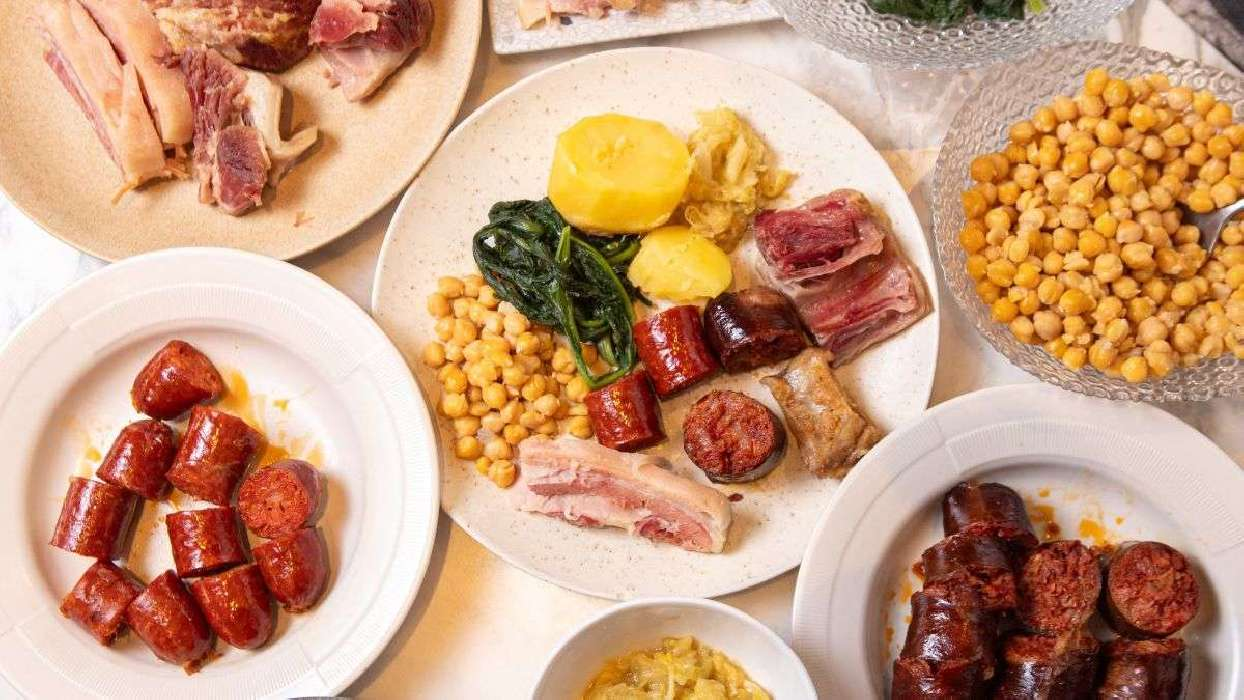

Spanish cuisine is known for its rich flavors, regional specialties, and comforting home-style recipes. Among its most beloved dishes is Cocido Gallego, a hearty stew that has been enjoyed in the Galicia region of northwestern Spain for generations.
Whether you’re traveling through Spain or searching for a restaurant that serves authentic Galician cuisine, understanding what makes this dish special will help you choose a memorable dining experience. From its carefully selected ingredients to its slow-cooked preparation, Cocido Gallego represents tradition, hospitality, and exceptional flavor.
This guide explains everything you need to know before ordering this famous Spanish classic.
What Is Cocido Gallego?
Cocido Gallego is a traditional stew originating from Galicia, one of Spain’s most beautiful and culturally rich regions. It combines several types of meat with vegetables, chickpeas, and potatoes, all slowly cooked together to create a flavorful and satisfying meal.
Unlike many modern soups or stews, Cocido Gallego is usually served in multiple stages. The broth may be presented first, followed by the vegetables and finally the meats.
Every family and restaurant has its own recipe, but the core ingredients remain remarkably consistent.
best cocido gallego near me
The History Behind the Dish
Galicia has long been known for farming and livestock, making hearty meals an important part of everyday life.
Centuries ago, local families prepared Cocido Gallego during colder months because it provided warmth and used ingredients that were readily available throughout the region. Slow cooking allowed tougher cuts of meat to become tender while producing a deeply flavorful broth.
Today, many restaurants continue preparing the dish using traditional methods that have been passed down through generations.
Traditional Ingredients
Authentic Cocido Gallego features a generous selection of ingredients that create its distinctive flavor.
| Ingredient | Purpose |
|---|---|
| Chickpeas | Adds texture and protein |
| Potatoes | Makes the stew filling |
| Turnip Greens (Grelos) | Traditional Galician vegetable |
| Cabbage | Adds sweetness |
| Pork Shoulder | Rich flavor |
| Salted Pork | Traditional seasoning |
| Chorizo | Smoky taste |
| Ham Bone | Deepens the broth |
| Beef | Extra richness |
| Pork Ribs | Tender meat after slow cooking |
Some versions also include chicken or other seasonal ingredients depending on family traditions.
What Makes an Authentic Bowl?
Not every restaurant prepares Cocido Gallego the same way.
The best versions usually share several characteristics:
- Slow-cooked for several hours
- Rich but clear broth
- Tender meats
- Fresh vegetables
- High-quality chorizo
- Proper seasoning
- Balanced flavors
- Generous portions
The dish should never taste rushed or overly salty.
How Is It Prepared?
Preparation begins by simmering meats slowly over low heat.
As the broth develops flavor, chickpeas are added, followed by potatoes and vegetables. Each ingredient is cooked carefully to maintain its texture while absorbing the rich flavors of the broth.
The cooking process often lasts four to six hours.
Patience is one of the secrets behind the dish’s remarkable taste.
What Does It Taste Like?
Cocido Gallego offers a combination of savory, smoky, and earthy flavors.
The broth is rich without being heavy.
The vegetables balance the richness of the pork.
Chorizo contributes gentle spice and smokiness.
Potatoes absorb the broth, becoming incredibly flavorful.
Every bite offers a comforting combination of textures and aromas.
Signs of a Great Restaurant
When choosing a place to enjoy Cocido Gallego, look for restaurants that emphasize traditional cooking.
Good signs include:
- Local clientele
- Homemade recipes
- Fresh ingredients
- Slow-cooked meals
- Positive customer reviews
- Traditional Spanish menu
- Experienced chefs
- Family-owned establishments
Restaurants specializing in regional Spanish cuisine often prepare more authentic versions than general international restaurants.
Questions Worth Asking
Before ordering, you may wish to ask:
- Is the stew prepared fresh each day?
- Which meats are included?
- Does it contain turnip greens?
- Is the broth homemade?
- What portion sizes are available?
Staff members are usually happy to explain their recipe.
Typical Price Range
Prices vary depending on location and restaurant style.
| Restaurant Type | Average Price |
|---|---|
| Casual Restaurant | €12–18 |
| Traditional Tavern | €15–22 |
| Mid-range Restaurant | €18–30 |
| Premium Dining | €30–45 |
Larger portions are often designed for sharing.
Best Time to Enjoy Cocido Gallego
Although available throughout the year in many restaurants, it is especially popular during:
- Autumn
- Winter
- Rainy days
- Family gatherings
- Weekend lunches
- Local festivals
Its warming qualities make it particularly enjoyable during cooler weather.
What to Serve Alongside It
Traditional accompaniments include:
- Rustic bread
- Spanish red wine
- Pickled vegetables
- Simple green salad
For dessert, many diners choose:
- Tarta de Santiago
- Flan
- Rice pudding
- Fresh fruit
Health Benefits
While hearty, Cocido Gallego also offers several nutritional benefits when enjoyed in moderation.
Rich Source of Protein
Multiple meats provide high-quality protein.
Fiber
Chickpeas and vegetables contribute dietary fiber.
Vitamins
Turnip greens and cabbage provide vitamins A, C, and K.
Minerals
The ingredients supply iron, potassium, and calcium.
Because the dish contains cured meats, it is naturally higher in sodium, making moderation important.
Homemade vs. Restaurant Version
| Feature | Homemade | Restaurant |
|---|---|---|
| Cooking Time | 4–6 hours | 4–8 hours |
| Ingredient Choice | Personal preference | Traditional recipe |
| Portion Size | Flexible | Usually generous |
| Cost | Lower | Higher |
| Experience | Family meal | Authentic dining atmosphere |
Both versions can be excellent when prepared carefully.
Common Mistakes to Avoid
If you’re trying Cocido Gallego for the first time, avoid these mistakes:
- Expecting a spicy stew
- Skipping the broth
- Ignoring the vegetables
- Ordering too much for one person
- Rushing through the meal
The dish is meant to be enjoyed slowly.
Frequently Asked Questions
Is Cocido Gallego spicy?
No. It is rich and savory rather than spicy, though chorizo adds a mild smoky flavor.
Is it gluten-free?
The stew itself is often gluten-free, but always confirm with the restaurant, especially regarding sausages and broth.
Is it suitable for vegetarians?
Traditional Cocido Gallego contains several types of meat and is not vegetarian.
Can leftovers be reheated?
Yes. Many people believe the flavors become even better the next day.
Which region is famous for Cocido Gallego?
The dish originates from Galicia in northwestern Spain and remains one of the region’s best-known culinary traditions.
Final Thoughts
Cocido Gallego is much more than a simple stew. It reflects centuries of Galician tradition, local farming, and family cooking. Its combination of slow-cooked meats, fresh vegetables, chickpeas, and flavorful broth creates a comforting meal that continues to be enjoyed by locals and visitors alike.
Whether you prepare it at home or enjoy it in a traditional Spanish restaurant, taking the time to appreciate the quality of the ingredients and the careful cooking process makes all the difference. Choosing a restaurant that values authentic recipes, fresh produce, and slow preparation will give you the best opportunity to experience this iconic dish at its finest.
