
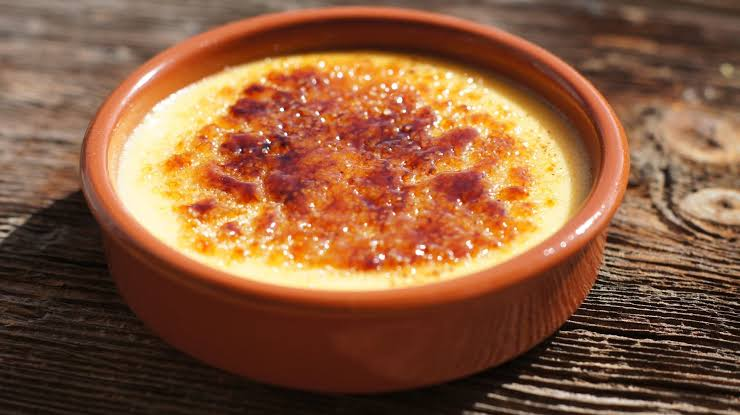

There are few moments in the world of gastronomy as deeply satisfying as tapping the back of a spoon against a freshly torched dessert, hearing that crisp glass-like crack, and breaking through to a velvety, citrus-infused custard underneath. That dessert is Crema Catalana, the ancient, aromatic crowning glory of Spanish pastry traditions.
Whether you are craving a warm, comforting taste of Spain’s northeastern coastline or seeking out the finest Spanish restaurants in your city, finding a venue that serves genuine Crema Catalana can feel like discovering a hidden culinary treasure.
What Makes Crema Catalana So Special?
Originating in Catalonia, Crema Catalana is widely considered one of Europe’s oldest recorded desserts, appearing in medieval Catalan cookbooks such as the Llibre de Sent Soví as early as the 14th century. Traditionally served on Saint Joseph’s Day (March 19th), it earned the historic nickname Crema de Sant Josep.
While modern diners frequently confuse it with the French Crème Brûlée, Crema Catalana possesses a distinct identity, technique, and flavor profile rooted in Mediterranean ingredients.
Key Characteristics of Genuine Crema Catalana
- Citrus and Spice Infusion: Unlike desserts reliant solely on vanilla, Crema Catalana derives its character from fresh lemon peel, orange peel, and a cinnamon stick steeped directly into milk.
- Milk-Based Simmer: Traditional recipes use whole milk rather than heavy cream, yielding a lighter, silky custard that feels refined rather than heavy on the palate.
- Stovetop Thickening: The custard is cooked gently on the stovetop using egg yolks and cornstarch (harina de maíz) as natural binding agents, rather than being baked in a oven water bath.
- Immediate Sugar Caramelization: The thin layer of white granulated sugar is burned right before serving, creating a fiery contrast between the hot, crunchy top and the cool, delicate cream beneath.
Crema Catalana vs. Crème Brûlée vs. Flan
To know whether your local Spanish bistro is serving the real deal or a lazy shortcut, it helps to understand how Crema Catalana stacks up against its European dessert cousins.
| Feature | Crema Catalana | Crème Brûlée | Traditional Flan / Caramel Custard |
| Origin | Catalonia, Spain | France | Ancient Rome / Spain & Latin America |
| Primary Dairy | Whole Milk | Heavy Cream / Double Cream | Whole Milk & Condensed Milk |
| Aromatic Profile | Lemon zest, Orange peel, Cinnamon | Vanilla bean | Vanilla, burnt caramel syrup |
| Thickening Method | Egg yolks + Cornstarch (Stovetop) | Egg yolks (Bake in Bain-Marie) | Whole eggs + Yolks (Bake in water bath) |
| Caramel Layer | Hard torch-burnt sugar crust on top | Hard burnt sugar crust on top | Liquid caramel sauce inverted from bottom |
| Serving Vessel | Shallow terracotta dish (cazuela) | Ramekin | Plate (unmolded) |
| Texture | Silky, light, creamy | Rich, dense, velvety | Gelatinous, firm, jiggly |
Best crema catalana near me
The Anatomy of a Perfect Serving
When you order this classic dessert at a local restaurant, an exceptional dish should satisfy all five senses. Here is what culinary enthusiasts look for when evaluating quality:
1. The Sugar Shell
The top should be a thin, uniform disc of caramelized golden-amber sugar. It should not be burnt black to the point of extreme bitterness, nor should it be soft, melted, or syrupy. When tapped with a spoon, it must yield an audible snap.
2. Temperature Contrast
The cream directly below the hot caramelized crust should remain noticeably cool. A dish that is uniformly warm throughout usually means the entire custard was reheated or left under a heat lamp too long, ruining the delicate mouthfeel.
3. Aromatic Balance
As soon as the crust cracks open, the steam should release a fragrant bouquet of cinnamon and bright citrus oils. Neither flavor should overwhelm the other; they should sing in harmony with the rich egg yolk base.
4. The Vessel
Authentic establishments serve Crema Catalana in a shallow, unglazed or semi-glazed clay ramekin called a cazuela de barro. Terracotta holds cold temperature well while insulating the custard from the intense heat of the sugar torch or caramelized iron stamp.
How to Find the Best Crema Catalana Spots Near You
Finding authentic regional cooking requires looking beyond standard commercial dining chains. When searching for top-rated spots nearby, follow these proven strategies to pinpoint authentic kitchens.
       ┌────────────────────────────────────────────────────────┐
       │             WHERE TO SEARCH LOCALLY                    │
       └───────────────────────────┬────────────────────────────┘
                                   │
         ┌─────────────────────────┼─────────────────────────┐
         ▼                         ▼                         ▼
 ┌───────────────┐        ┌─────────────────┐       ┌─────────────────┐
 │ Tapas Bars &  │        │ Spanish Dining  │       │ Artisan Pastry  │
 │ Bodegas       │        │ & Wine Bars     │       │ & Dessert Shops │
 └───────┬───────┘        └────────┬────────┘       └────────┬────────┘
         │                         │                         │
         └─────────────────────────┼─────────────────────────┘
                                   │
                                   ▼
        ┌──────────────────────────────────────────────────────┐
        │ VERIFY AUTHENTICITY CUES BEFORE ORDERING             │
        │ • Freshly torched sugar top                          │
        │ • Served in clay cazuela                             │
        │ │ Lemon & cinnamon notes visible                      │
        │ • House-made custard base                            │
        └──────────────────────────────────────────────────────┘
1. Target Authentic Tapas Bars & Bodegas
Venues that specialize in authentic Spanish tapas—particularly those honoring Catalan, Basque, or Andalusian culinary traditions—are your best bet. Restaurants that import jamón Ibérico, tin seafood (conservas), and regional Spanish wines typically take equal pride in their traditional dessert offerings.
2. Inspect Menu Descriptions Carefully
Look at how the dessert is described on the menu:
- Green Flags: Mentions of citrus zest, cinnamon, hand-torched sugar, or traditional cazuela preparation.
- Red Flags: Listed simply as “Spanish Crème Brûlée”, or descriptions that mention heavy vanilla cream, whipped cream toppings, or fruit purees smothering the top.
3. Read Customer Reviews for Texture Mention
When browsing online restaurant reviews, search specifically for terms like “crispy sugar top”, “freshly scorched”, or “cinnamon lemon flavor”. Diners who appreciate authentic preparation will often praise the crack of the sugar crust in their written feedback.
Evaluating Local Dessert Quality: The Checklist
Use this scorecard when trying out a new Spanish dining spot in your city:
| Evaluation Criteria | High Quality / Authentic | Poor Quality / Shortcut |
| Crust Integrity | Crisp, thin glass top made from white sugar, scorched fresh upon ordering. | Soft, sticky layer, pre-burnt hours earlier, or made with brown sugar paste. |
| Custard Base | Smooth, golden cream with natural body; subtle flecks of citrus or cinnamon. | Rubbery, gelatinous, overly yellow from artificial dye, or tasting of plain vanilla mix. |
| Serving Dish | Classic shallow terracotta dish (cazuela). | Deep ceramic coffee mug or glass bowl. |
| Flavor Profile | Balanced citrus brightness, warm cinnamon spice, light egg richness. | Overly sweet, heavy dairy fat coating, or synthetic flavoring extracts. |
| Temperature | Hot caramelized sugar top over chilled custard. | Lukewarm throughout or ice-cold straight from a refrigerator display case. |
What to Drink with Crema Catalana
To elevate your dessert experience into a true Iberian feast, consider pairing your dish with traditional Spanish beverages that complement its cinnamon-citrus character.
Spanish Sparkling Wine (Cava)
A glass of chilled Cava Brut Nature or Extra Sec cuts through the sweetness of the caramelized sugar while accentuating the citrus notes infused in the milk base. The lively effervescence cleanses the palate between every spoonful.
Dessert Wines
- Moscatel de Alejandría: Highly aromatic with notes of orange blossom, honey, and white peach, making it a natural companion to citrus custards.
- Mistela: A sweet fortified wine from Valencia that highlights warm cinnamon undertones.
- Pedro Ximénez Sherry: For those who enjoy dark, complex sweetness; its notes of fig, raisin, and molasses match the deep caramel notes of burnt sugar.
Coffee & Digestifs
- Carajillo: Espresso laced with brandy, rum, or Licor 43. The warm spice of Licor 43 mirrors the aromatic citrus and vanilla elements of the dessert.
- Orujo de Hierbas: A traditional herbal liqueur from Galicia served ice-cold after dinner to aid digestion.
Recreating Authentic Crema Catalana at Home
If you can’t find a local restaurant that measures up to high standards, you can easily prepare this classic dessert in your own kitchen. It requires basic pantry staples and about 20 minutes of active cooking time.
Traditional Ingredients (Serves 4)
- Whole Milk: 500 ml (2 cups)
- Egg Yolks: 4 large
- Granulated Sugar: 75 g (6 tbsp) for custard + extra for torching
- Cornstarch: 20 g (approx. 2 tbsp)
- Lemon Peel: 1 wide strip (avoiding white pith)
- Orange Peel: 1 wide strip
- Cinnamon Stick: 1 whole stick
Step-by-Step Preparation Method
- Infuse the Milk: In a saucepan, combine the whole milk, lemon peel, orange peel, and cinnamon stick. Bring to a gentle simmer over medium heat. Remove from heat, cover, and let steep for 15 minutes to extract the aromatic oils.
- Whisk the Base: In a mixing bowl, whisk together egg yolks and 75 grams of sugar until pale and slightly thickened. Add the cornstarch and whisk until completely smooth with no lumps.
- Temper the Eggs: Strain the warm infused milk to remove the peels and cinnamon stick. Slowly pour a thin stream of warm milk into the egg yolk mixture while whisking continuously to prevent curdlings.
- Thicken on Stovetop: Return the mixture to the saucepan over low-medium heat. Cook while stirring constantly with a wooden spoon or whisk until the cream thickens into a glossy, velvety custard (it should coat the back of a spoon).
- Chill in Terracotta: Pour the custard evenly into 4 shallow clay dishes (cazuelas). Allow them to cool to room temperature, then cover and chill in the refrigerator for at least 3 hours (or overnight).
- Caramelize and Serve: Just before serving, sprinkle an even layer of white granulated sugar over each dish. Use a kitchen blowtorch or a red-hot traditional cast-iron caramelizing iron (paleta para quemar) to melt and brown the sugar into a glass-like shell. Let sit for 1 minute to harden, then serve immediately.
Frequently Asked Questions
Is Crema Catalana gluten-free?
When made using the authentic method (thickened with cornstarch), Crema Catalana is naturally gluten-free. However, always confirm with restaurant staff to ensure no wheat flour was used as a shortcut thickener or that cross-contamination didn’t occur in the kitchen.
Can Crema Catalana be made ahead of time?
The custard base can be made 1 to 2 days in advance and kept refrigerated. However, the sugar crust must be caramelized right before serving. If caramelized too early, moisture from the custard will dissolve the hardened sugar into syrup within 20–30 minutes.
What is the difference between Crema Catalana and Flan?
While both are egg-based custards popular in Spanish cuisine, Flan is baked with whole eggs in a water bath with a liquid caramel sauce at the bottom, resulting in a firm, jiggling texture. Crema Catalana uses only yolks, is cooked on the stovetop with cornstarch, and features a hard burnt sugar shell on top.
Finding Your Perfect Local Bite
Finding top-tier Crema Catalana comes down to seeking out kitchens that respect time-honored techniques: fresh citrus infusions, gentle stovetop thickening, real terracotta presentation, and that unforgettable crisp sugar crust torched moments before it arrives at your table.
Next time you visit a local Spanish tapas spot, skip the generic chocolate cake or ice cream and ask for their house-made Crema Catalana—your spoon (and your palate) will thank you.
